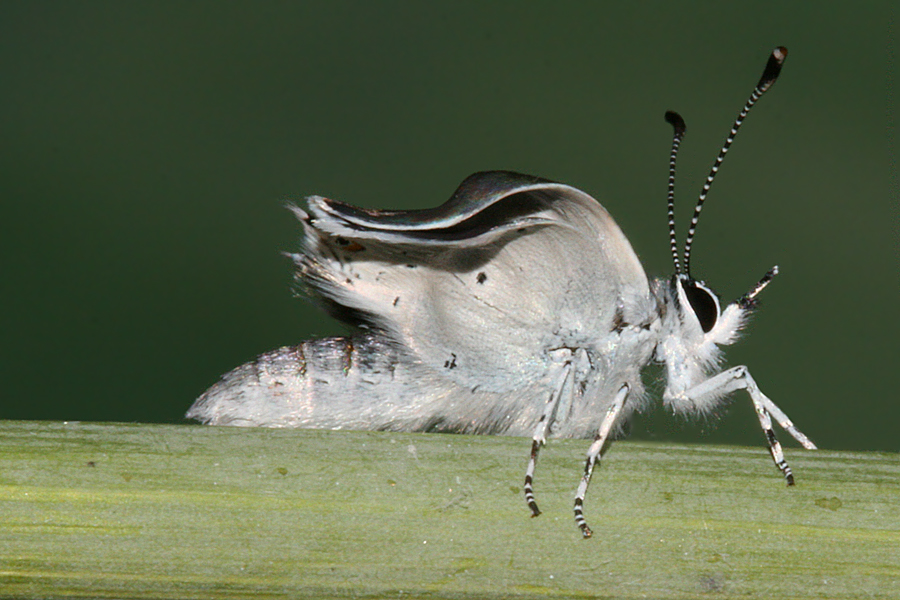
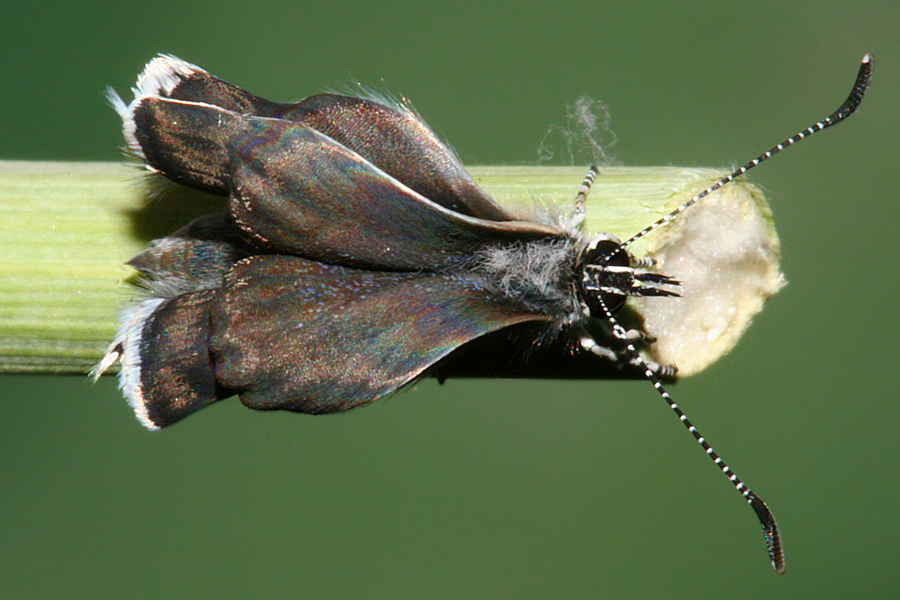
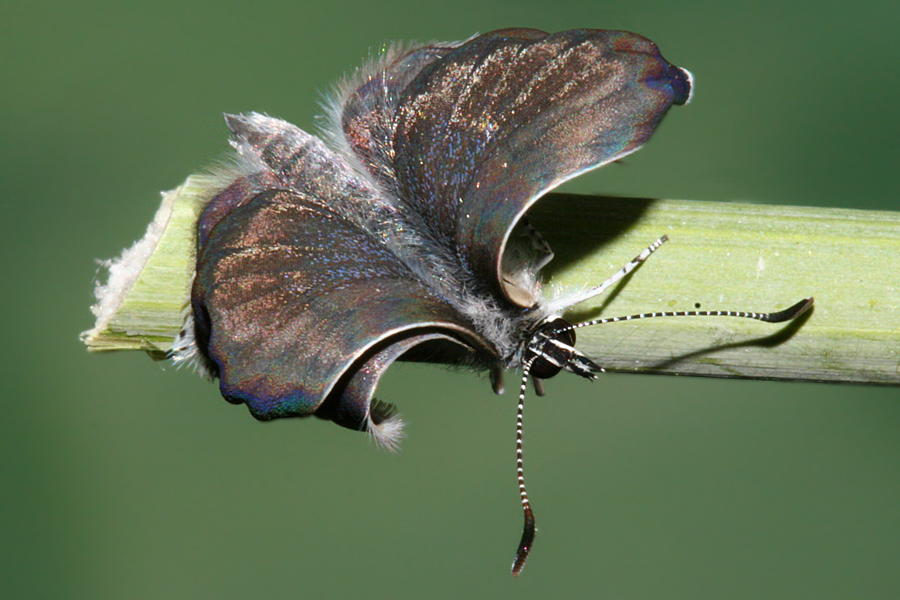
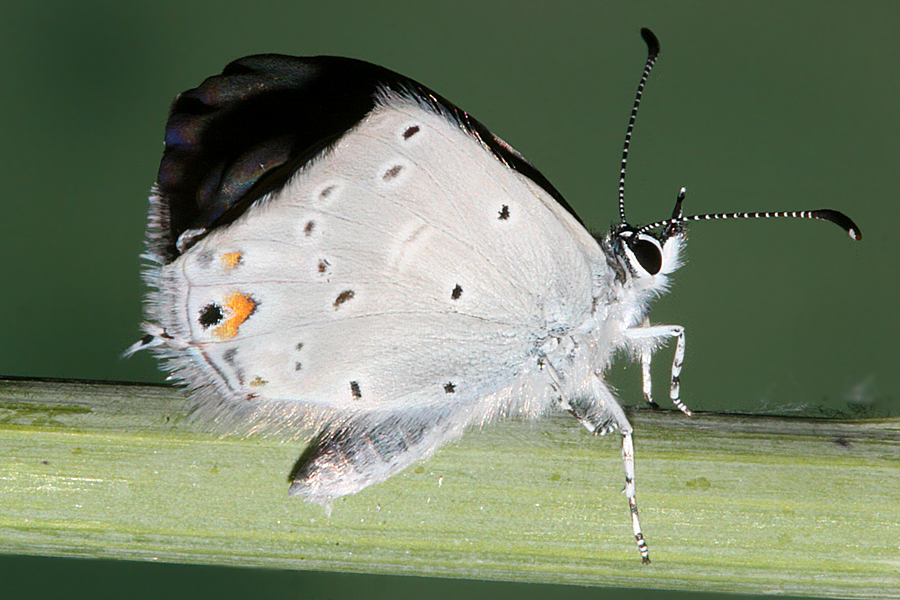
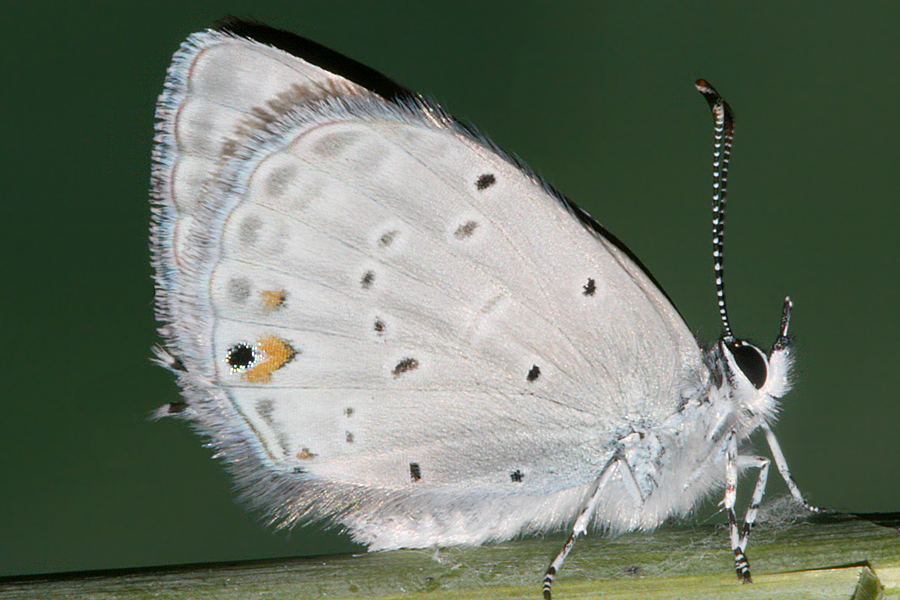
Western Tailed-Blue, Female Emergence - Lycaenidae Polyommatinae Cupido amyntula
Home   -     Butterflies    -   Swallowtails     -   Whites and Sulphurs    -  Coppers, Hairstreaks, Blues & Metalmarks    -     Brushfoots     -     Skippers 
 
Photo and Other Details   -     
Characteristics and Utah Range      

Scroll down for all photos of Female Eclosure.  For other information/photos, click on

IMMATURES         MALE EMERGENCE      ADULT FEMALE          ADULT MALE      SPECIMEN
________________________________________________________________________________________________________________________________________________________________________________________

________________________________________________________________________________________________________________________________________________________________________________________

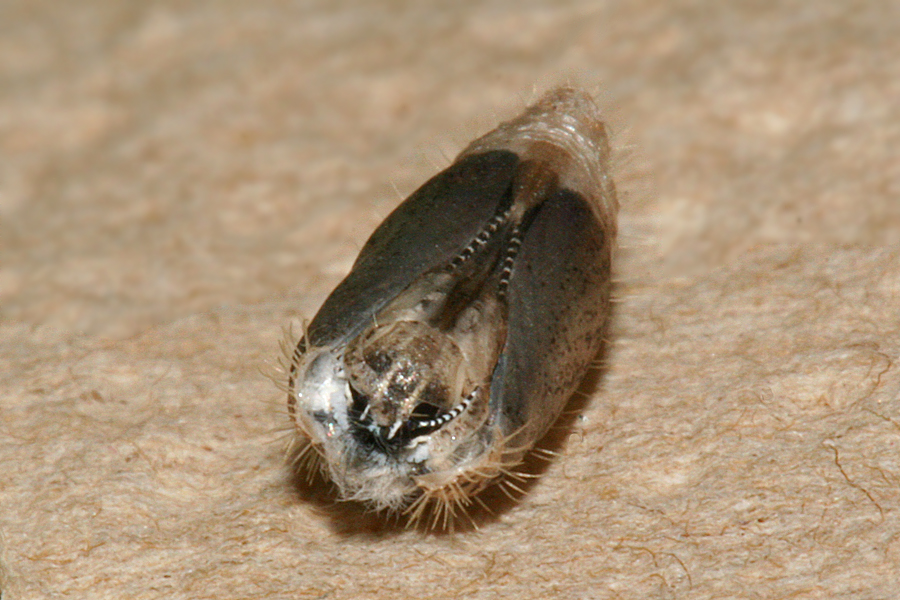
Pupa opening

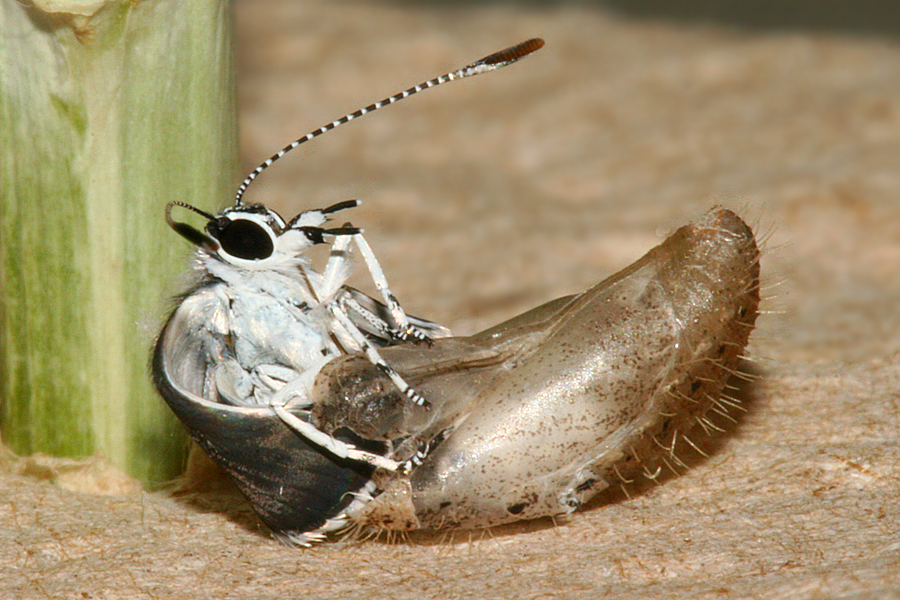
climbing out of pupa

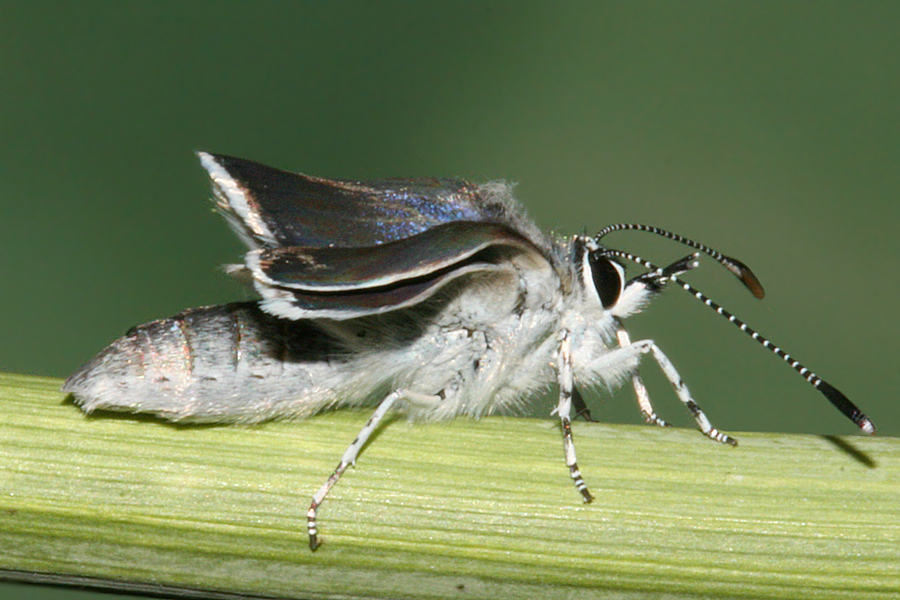
inflating wings

inflating wings

inflating wings

inflating wings

woops

inflating wings

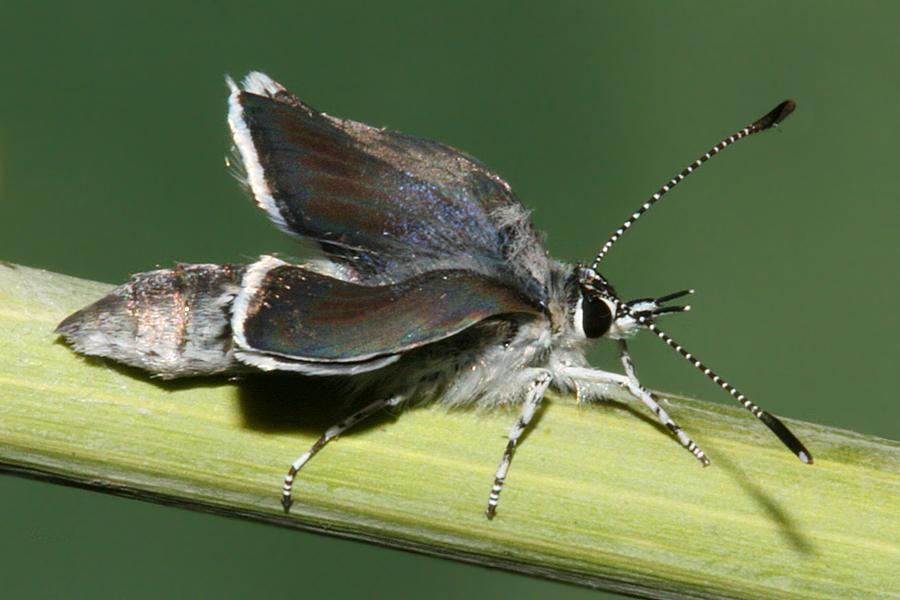
drying wings


Photo Details - ©Nicky Davis
Female located on a wild lathyrus plant in Butterfield Canyon.  She  laid 17 eggs at the base of the flowers or the tiny flower stem of this same plant.  The eggs took four days to hatch. They were placed on plant bouquets  of various legumes such as Astragalus cicer, unknown  milk vetch, Lathyrus latifolius and Hedysarum boreale to see which plant the larva preferred.  They immediately went inside the blossoms and were difficult to find to place new plants. This larva fed on Astragalus cicer  where they ate flowers and leaves once they were medium sized larvae. 

These photos are of  #4

__________________________________________________


Ovum #4 Female
#4 egg hatched in 4 days

Larva
#4 larva fed for 51 days (she may have tried to diapause for part of this time?)

Pupa
#4 pupa eclosed after 8 days

_____________
#2 Male
Ovum
#2 egg hatched in 4 days

Larva
#2 larva fed for 23 days

Pupa
#2 pupa eclosed after 9 days
__________________________________________________

Host
Milk vetches and other legumes. for photos, click on your choice of

Utah Sweetvetch, Hedysarum boreale


Back to Top