| Gray
Hairstreak Strymon melinus Immatures |
| Home - Butterflies - Details |
| Male Female Eclosure Female Specimen |
| Ovum - 2 October 2010 |
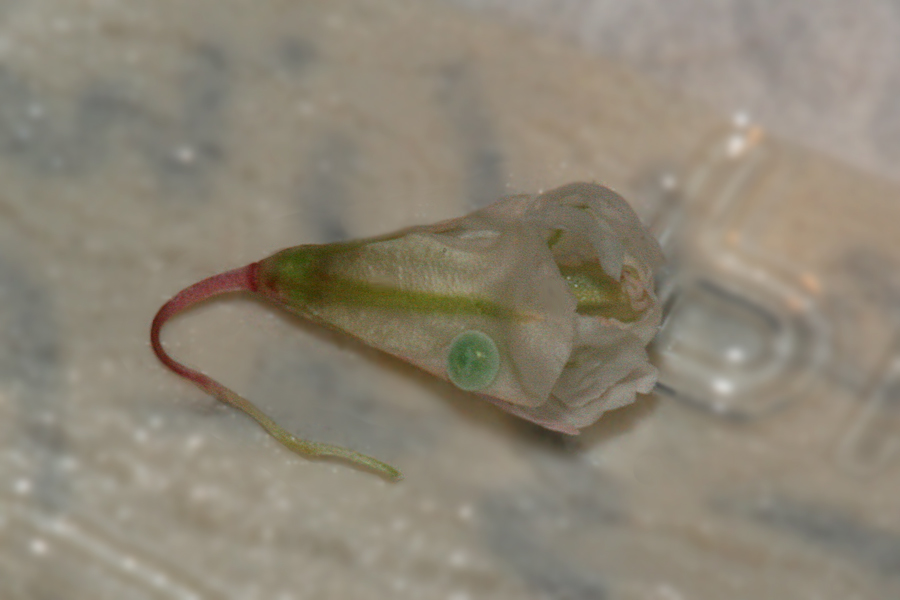
| Second Instar - 8 October 2010 - emerged 5 October |
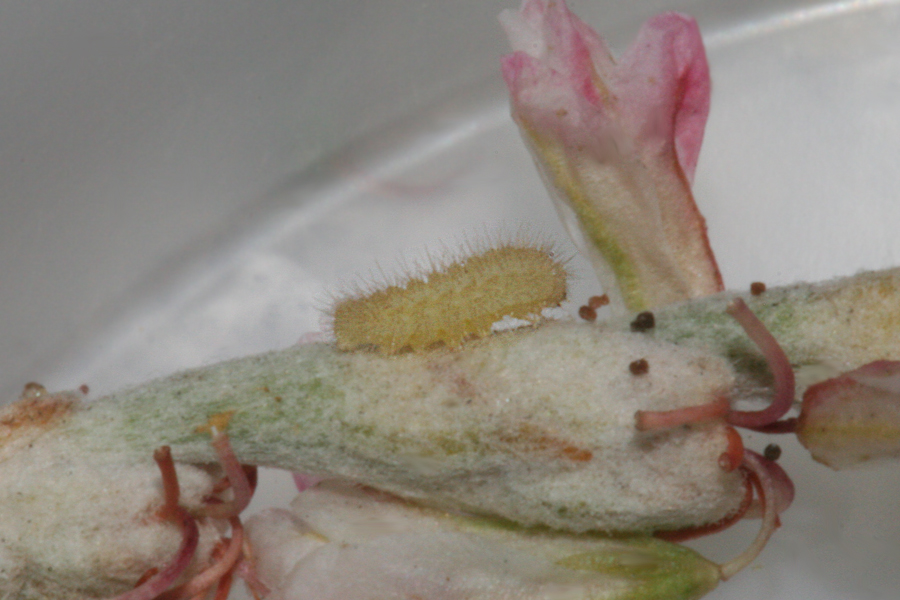
| Third Instar - 11 October 2010 |
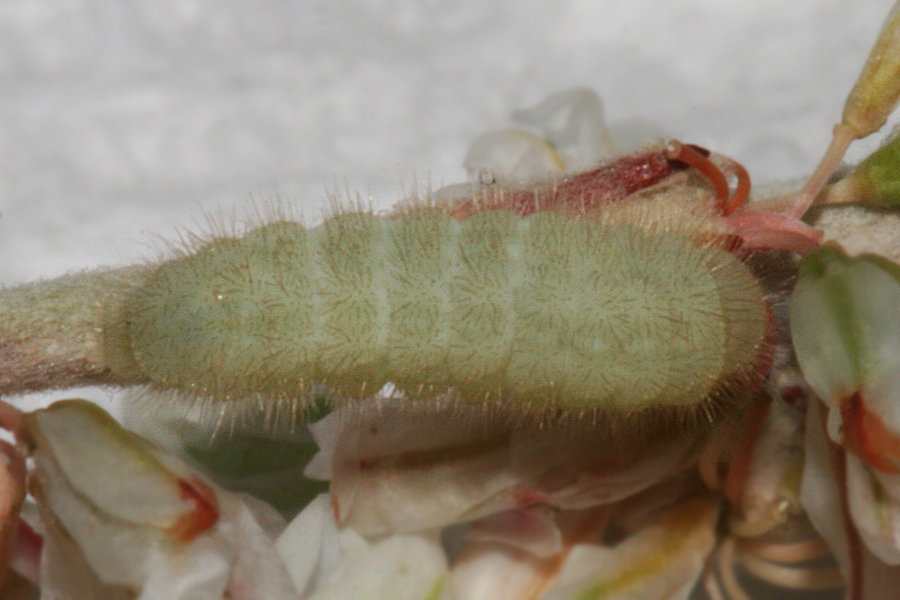
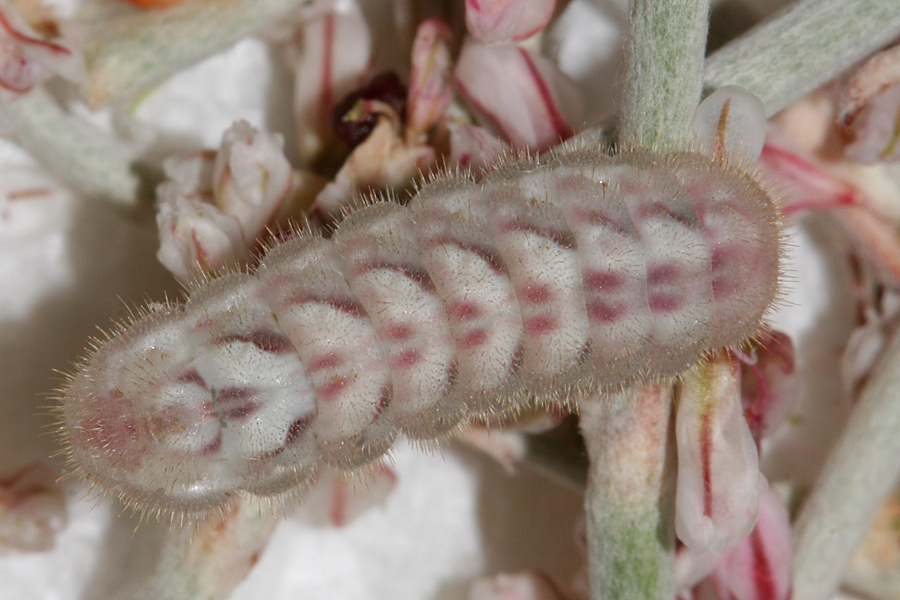
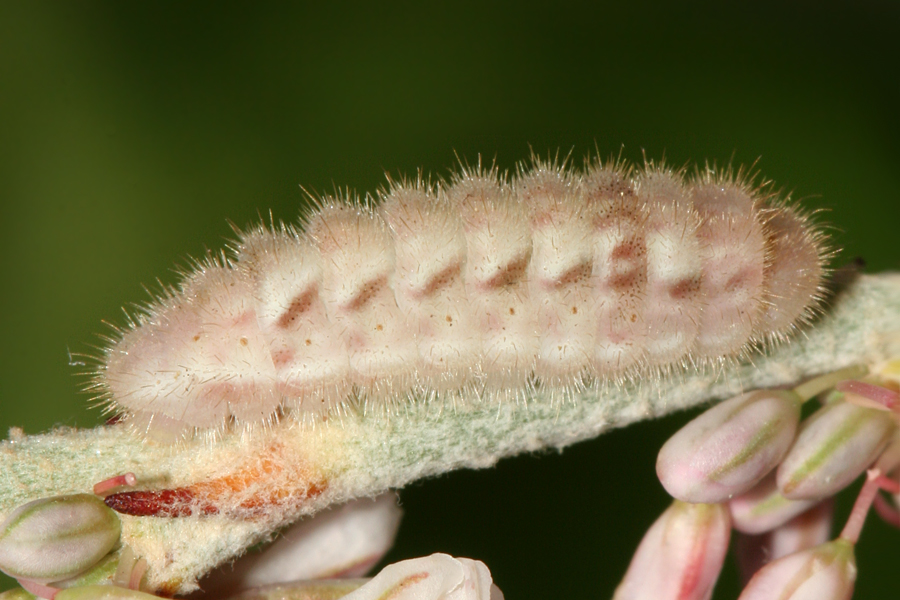
| Larva - 2006 Larva #1 - 4th instar - a rose/pink color |
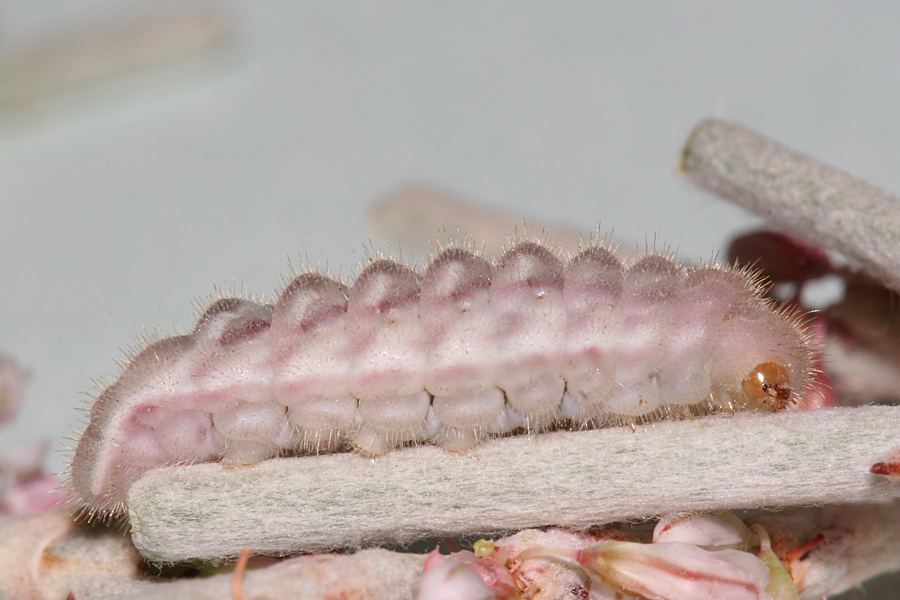
| Larva - 2006 Larva #1 - 4th instar - a rose/pink color |
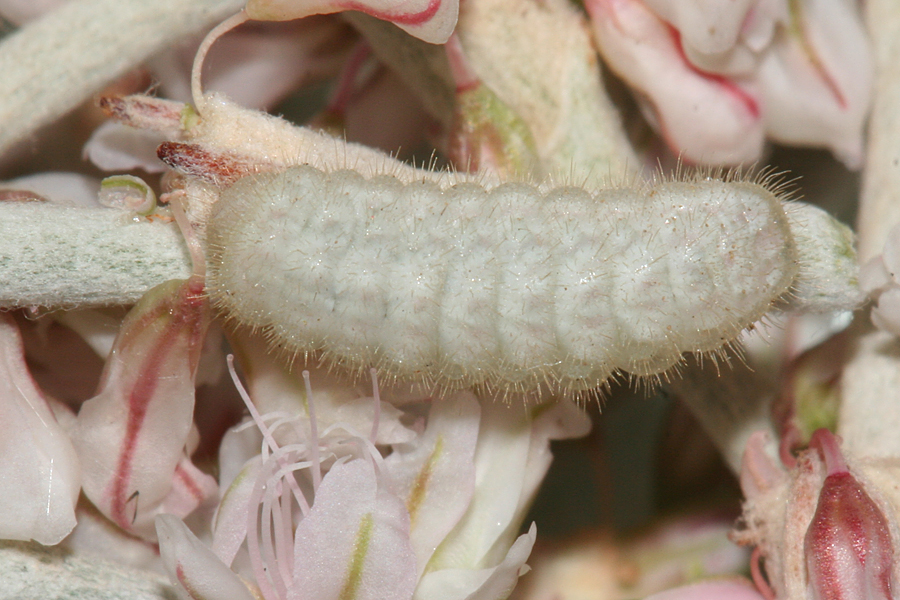
| Larva #2 - a younger larva - pale green color - 2006 |
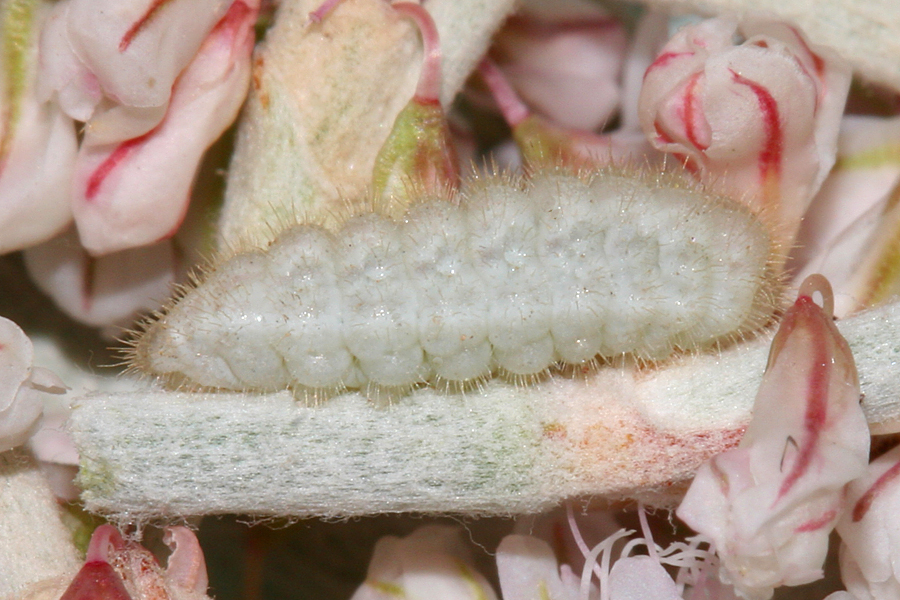
| Larva #3 - 4th instar with the previous color changing to include a yellow/brown tinge- 2006 |
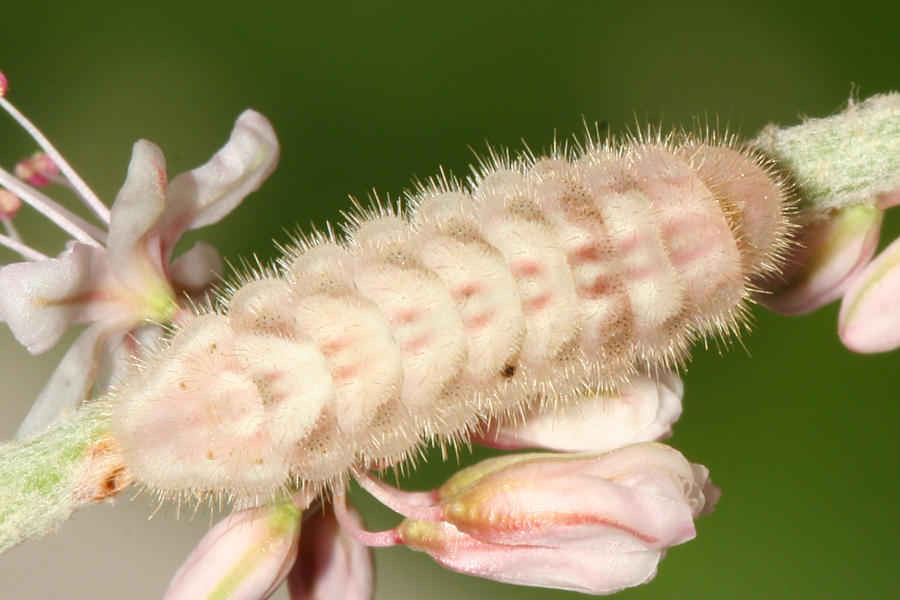
| Larva #3 - 4th instar with the previous color changing to include a yellow/brown tinge. - 2006 |
Pupa
| New Pupa - 2006 |
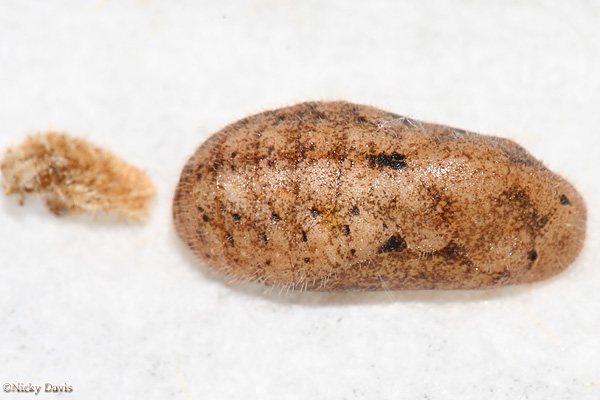
| New Pupa - 2006 |
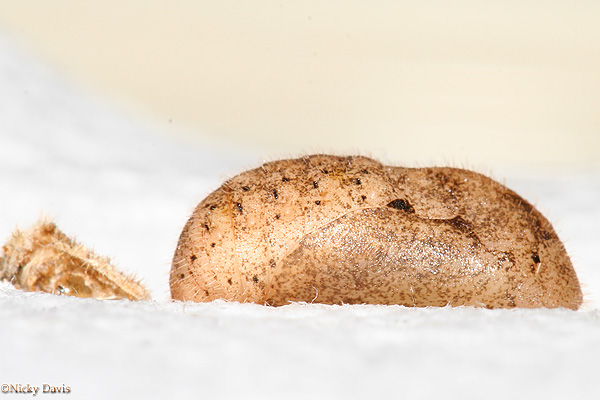
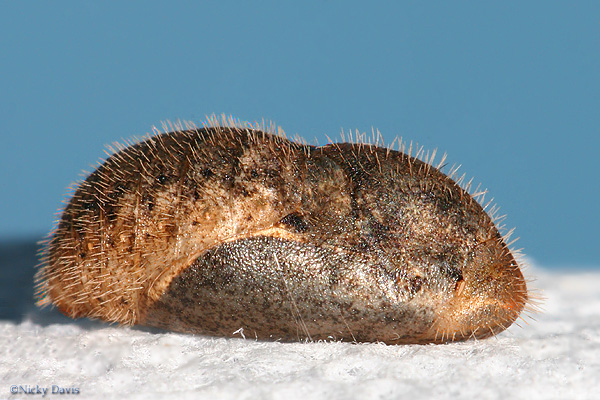
A couple of hours prior to eclosure - 5 October 2006
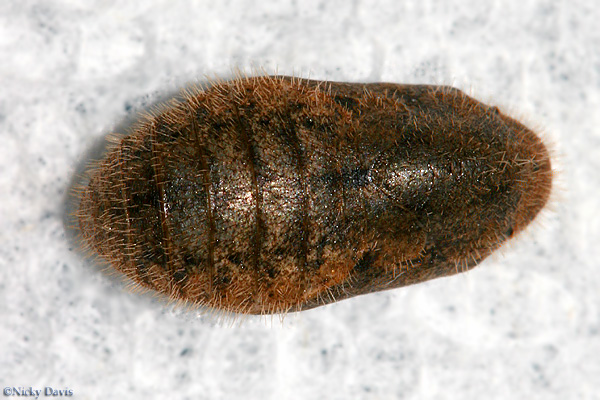
| A couple of hours prior to eclosure - 5 October 2006 |
|
Photo Details -
©Nicky Davis Larvae collected North of the Gun Cub on Wasatch Blvd., Salt Lake County, Utah , September 16, 2006 Ovum 2 Oct 2010, ovum located on Eriogonum racemosum Larva The coloring of the Strymon melinus is variable. They all have a double-dashed dorsal stripe. These are photos of three different larvae at different stages of growth. Larva #1 - A rose/pink color 1. lateral - September 17, 2006 2. dorsal - September 17, 2006 Larva #2 - A younger larva - pale green color . The double-dashed dorsal stripe is still visible. 1., 2. Two views of larva - September 17, 2006 Larva #3 - This mature larva has a yellow/brown color tinge. the double-dashed dorsal stripe is still visible. 1., 2. Two views of larva - September 17, 2006 Pupa 1., 2. Pupa just before eclosure on October 5, 2006 3.,4. New pupa Host Plant
 |