Two-tailed  Swallowtail,  Larvae -  Papilio  multicaudata pusillus
Home   -     Butterflies    -   Swallowtails    -   Whites and Sulphurs    -  Coppers, Hairstreaks, Blues & Metalmarks   -     Brushfoots     -     Skippers     
  Photo & Other  Details   -    Characteristics & Utah Range Map

Scroll down for all photos of  LARVAE & OVA. For other photos/information click on
  ADULT  BUTTERFLIES     EMERGENCE     PUPAE
__________________________________________________________________________________________________________________________________
__________________________________________________________________________________________________________________________________

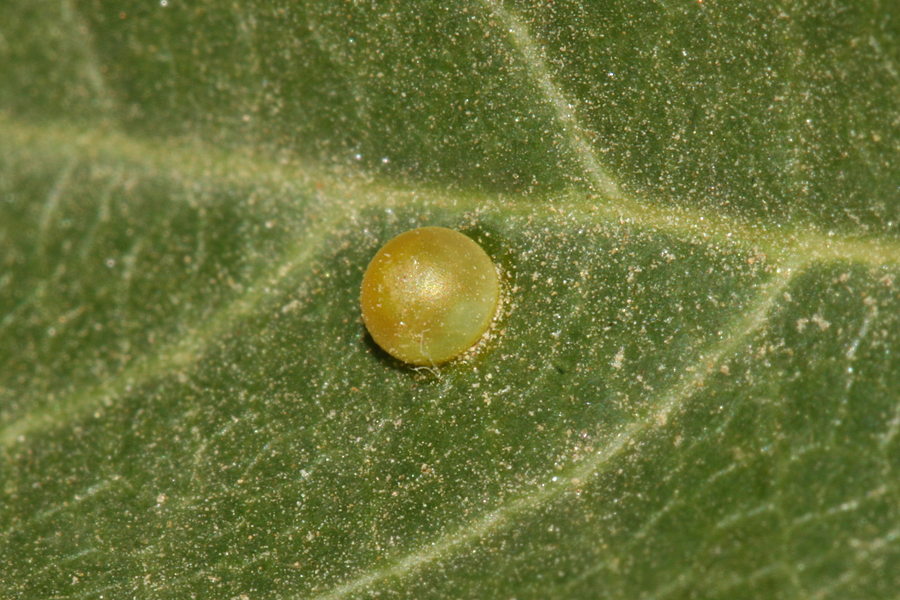
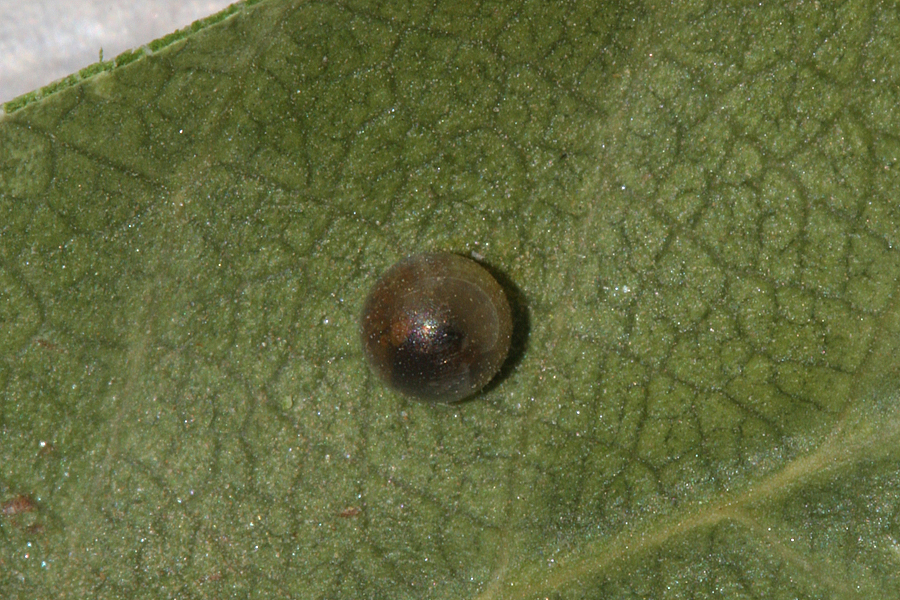
Ova - developing ova
developing ova


Multicaudata ova
multicaudata ova


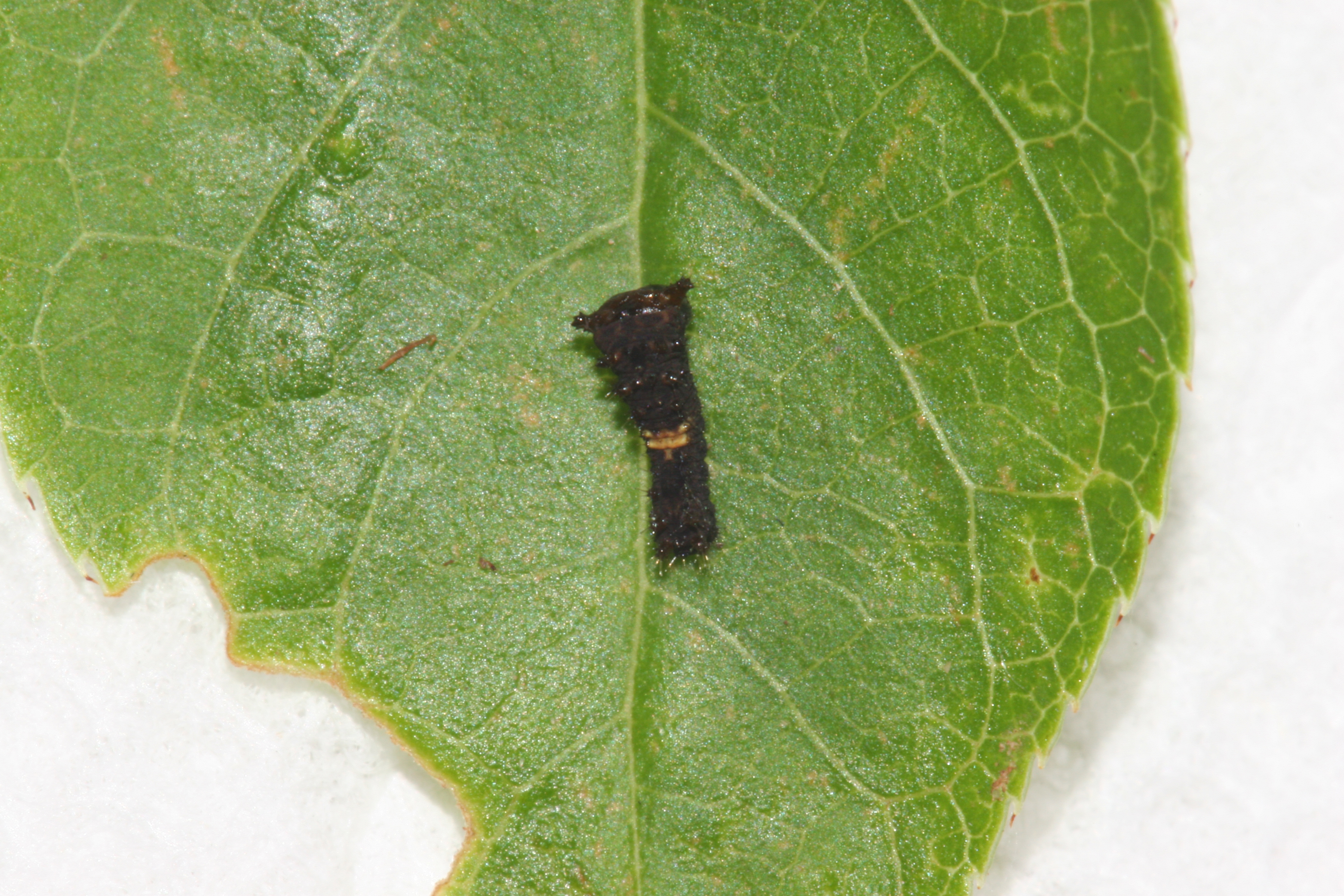
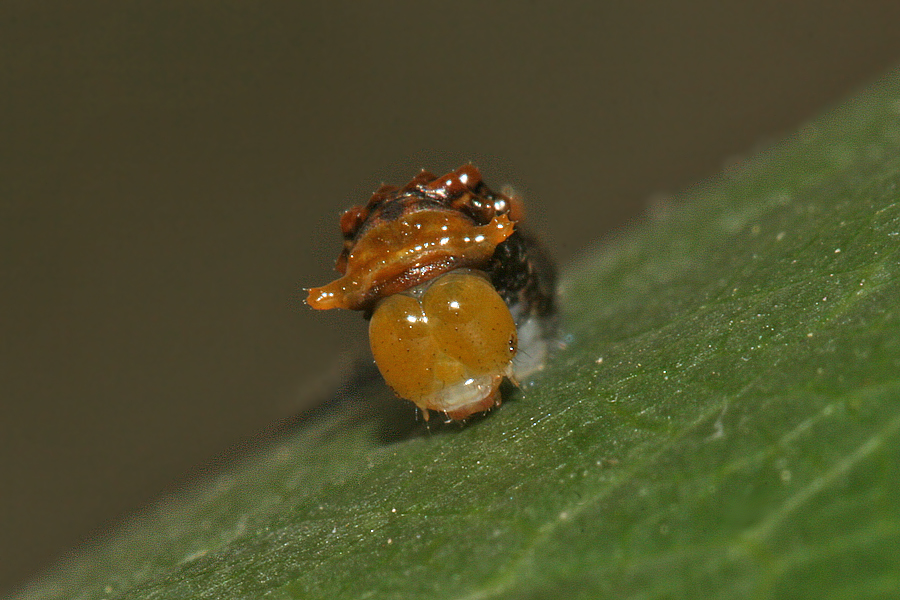
larva #2 a few hours after hatching
larva #2 a few hours after eclosure from ova


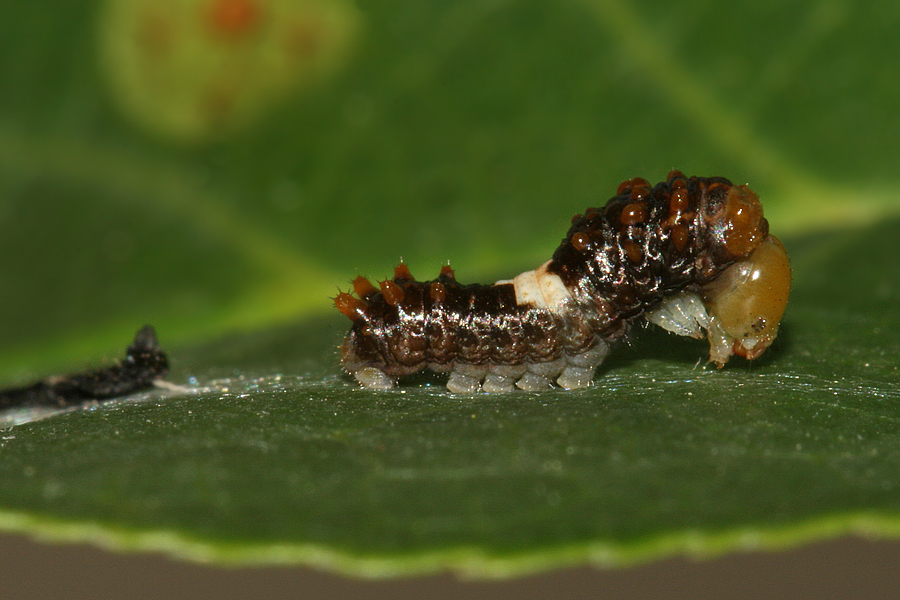
Just after molt to 2nd instar
just after molt to 2nd instar


Head just after molt to 2nd instar
head just after molt to 2nd instar


Side view of 2nd instar on June 23, 2006
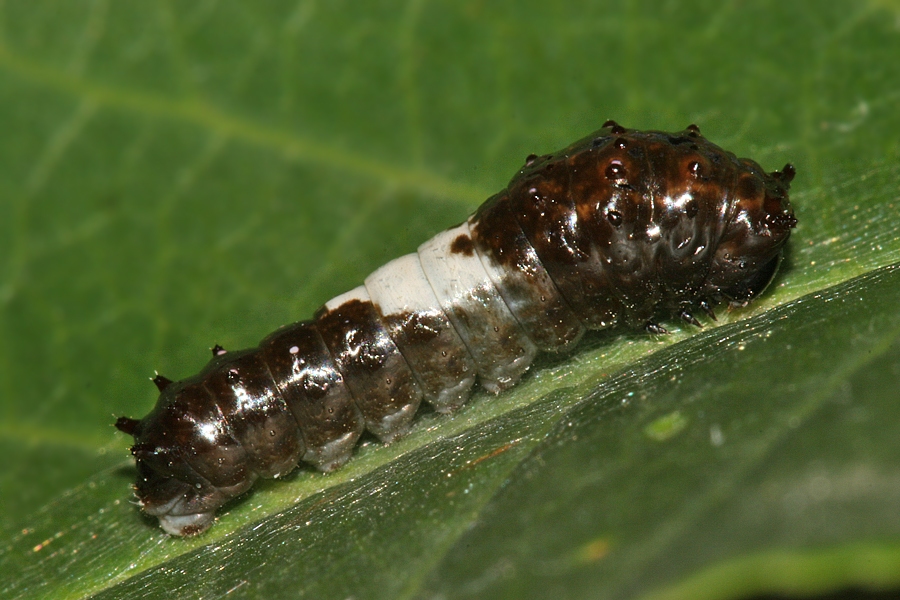
side view of 2nd instar on June 23, 2006


Second Instar - Dorsal view of larva on June 23, 2006
dorsal view of larva on June 23, 2006


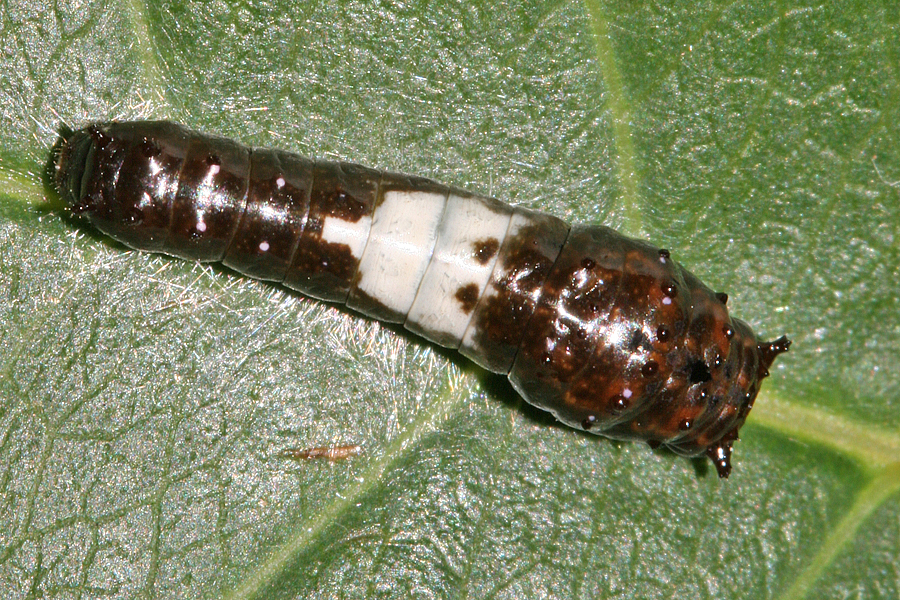
Third instar just emerging from old skin - old head case still on


Third Instar, 11:12 P.M. June 25, 2006
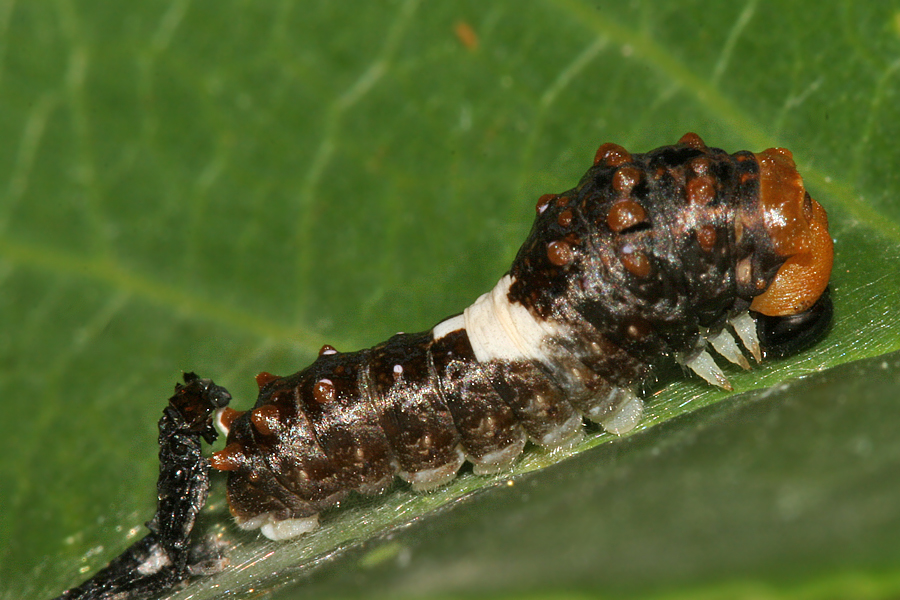
3rd instar at 11:12 P.M. June 25, 2006


Fourth Instar
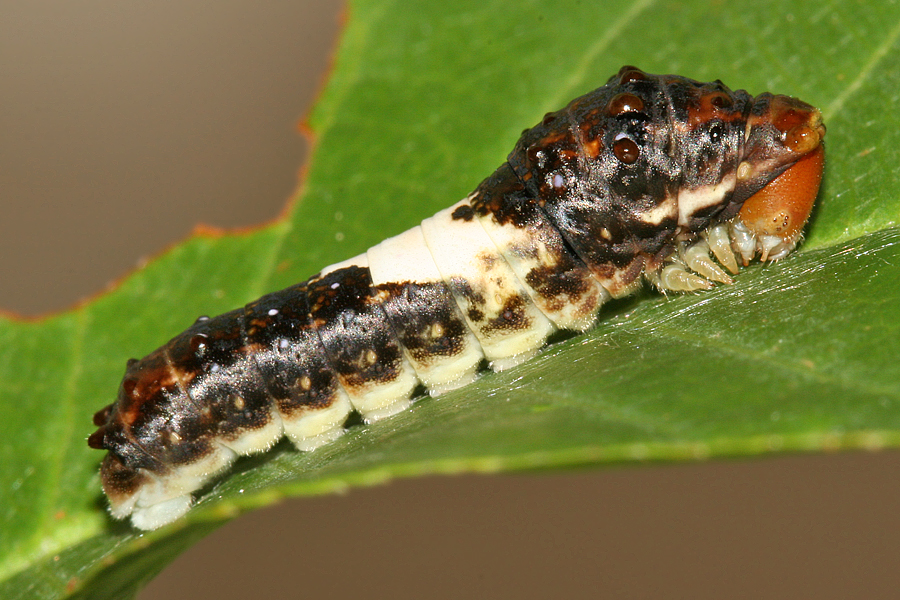
4th instar


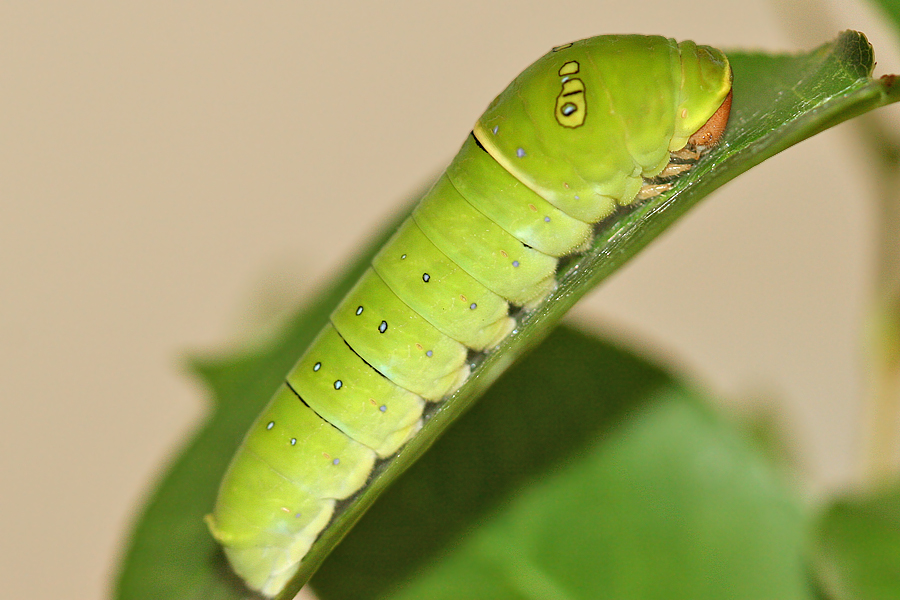
5th instar on July 5, 2006


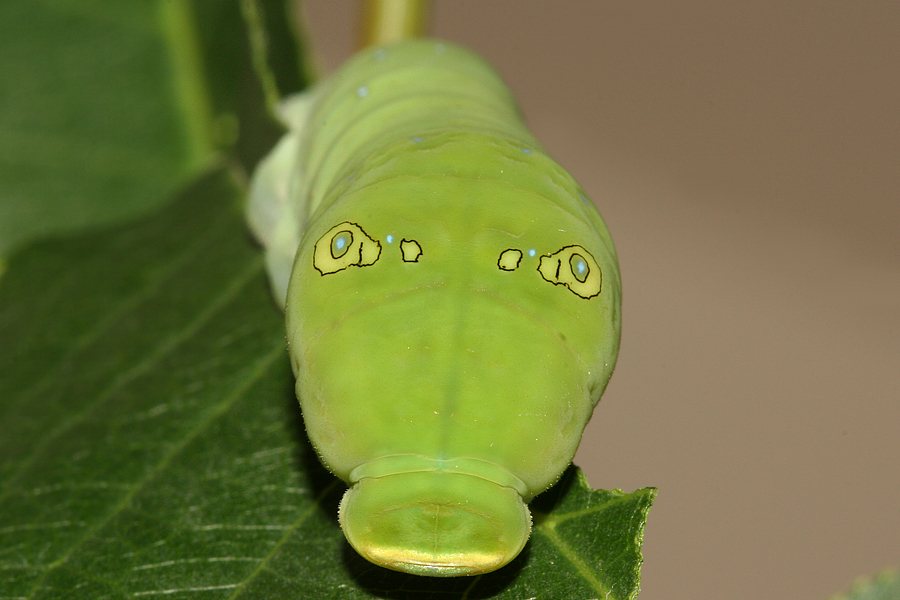
Eyespots on thorax, blue circled with green circled by yellow -  July 10, 2006 at 12:50 A.M.

eyespots July 10, 2006 at 12:50 A.M.


Larva
Fifth Instar
5th instar just after purging excess, reddish fluids. It then began walking around seeking an appropriate place to pupate
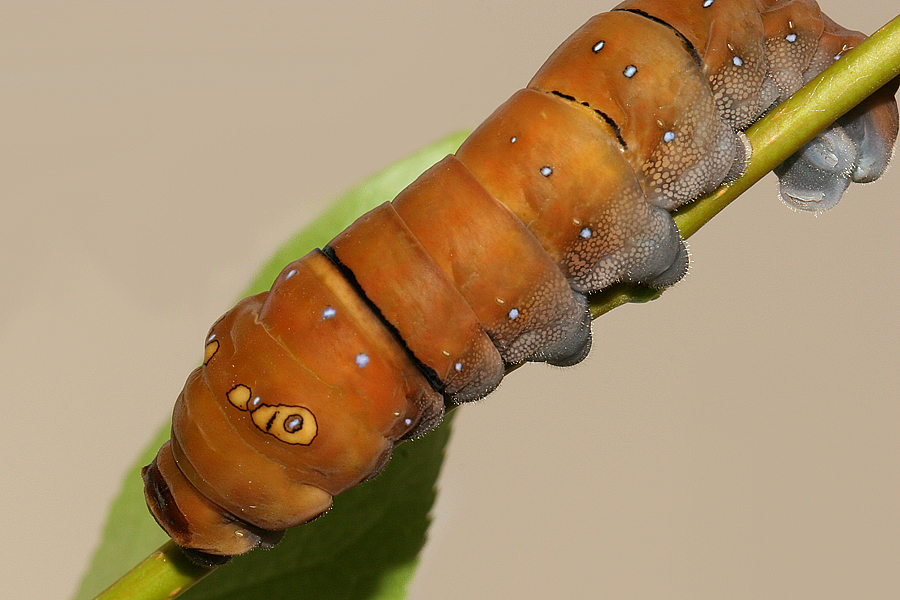


Photo Details - ©Nicky Davis
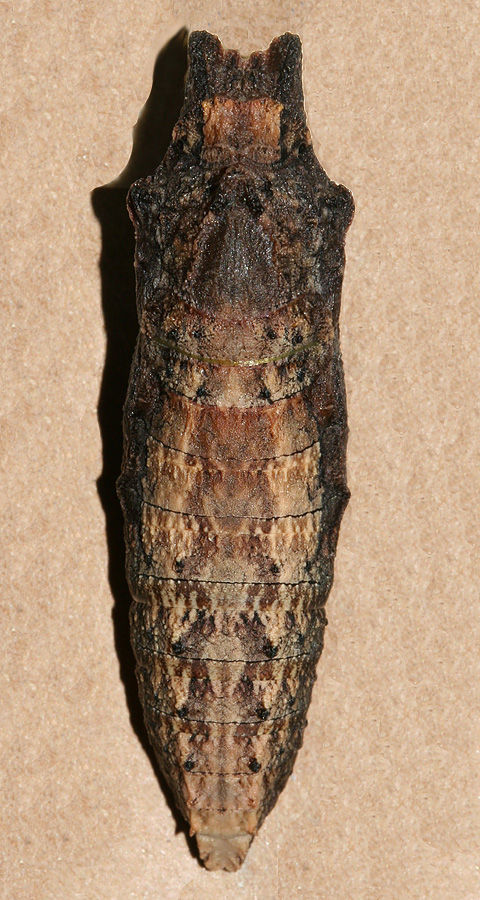
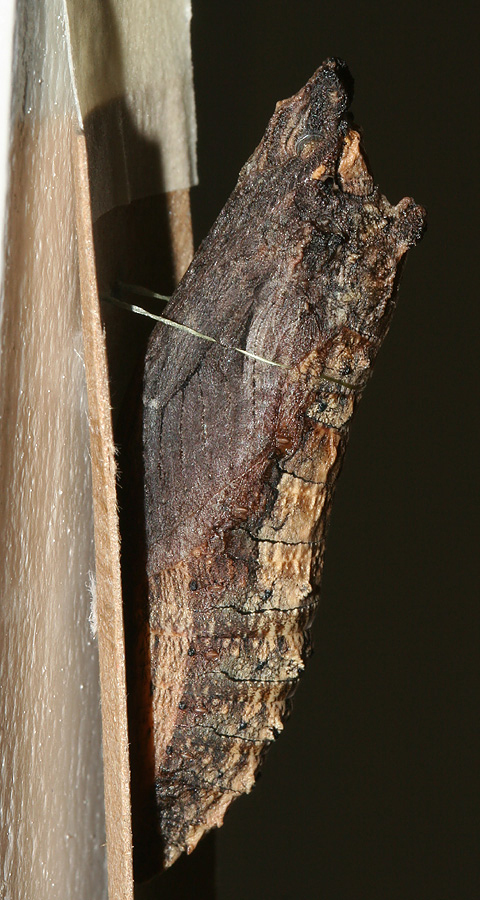
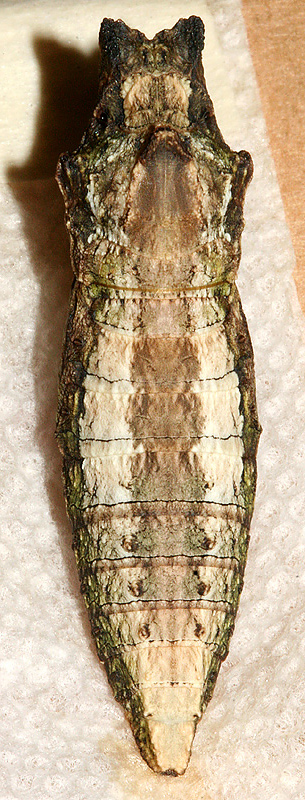
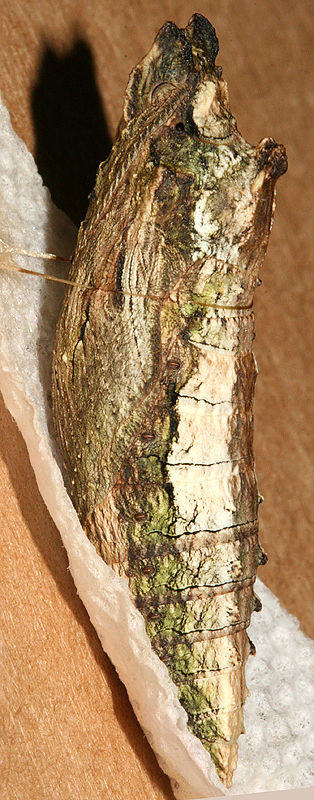
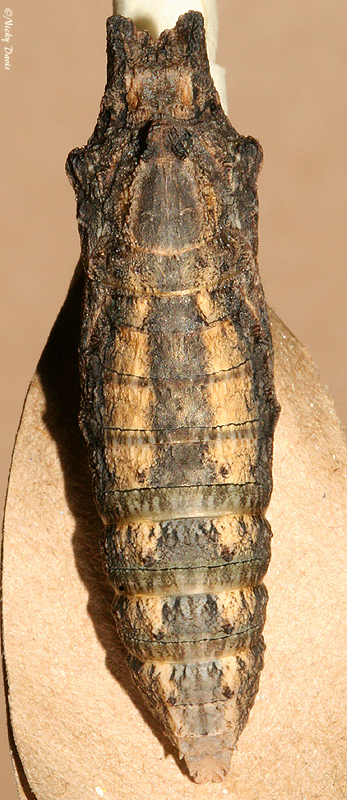
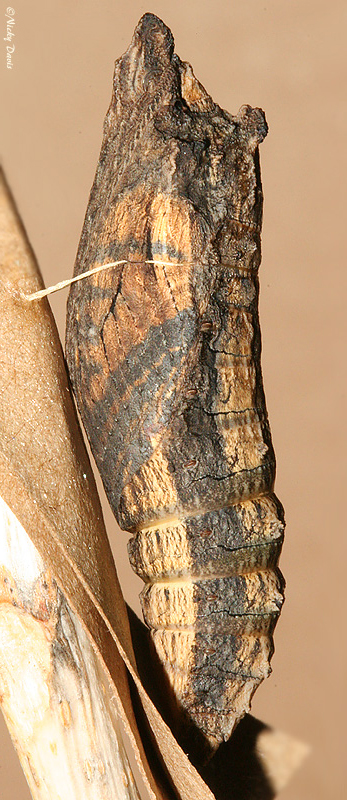
Pupa
Photos have been rotated  to show larger photos.  The pupa normally hang with the head up.
1. July 12, 2006 - Dorsal
2. 
July 12, 2006 -right side

Pupae #1 and #3 were transferred from winter to spring conditions on March 5, 2007
March 19, 2007

Pupa #1
3., 4.  Dorsal and lateral on April 3, 2007 just prior to butterfly's eclosure

Pupa #3
 Dorsal
  Lateral

Larva
Fifth Instar
1. July 10, 2006  -  8:37 A.M. While larva was leaving the host plant to start  walking about looking for an  appropriate place to
pupate just after expelling reddish  colored excess fluids

2. July 10, 2006 12:50 A.M.
3. July 5, 2006

Fourth Instar
1. June 28, 2006

Third Instar
1. 11:12 P.M. June 25, 2006
2. June 25, 2006 just emerging from  old skin - old head case still  on

Second Instar
1, 2.   June 23, 2006
3., 4.  June 20, 2006 - Just after molt

First Instar
June 17, 2006 - First instar a few hours after eclosure

Ova
Ova  showing development - June 15, 2006
Ova on host plant leaf, Choke Cherry -  June 13, 2006
©NJDavis

Host Plant
Click   CHOKE CHERRY - Prunus virginiana    for photos and other information

Notes
These P. multicaudatus may be univoltine. They should feed for about 6-7 weeks; pupate and emerge next spring;
BUT,  they can surprise you and eclose in the fall

Other
Ova collected
June 12, 2006 on Prunus virginiana by Todd Stout  at Farmington Canyon, Davis County, Utah.


Back to Top


<