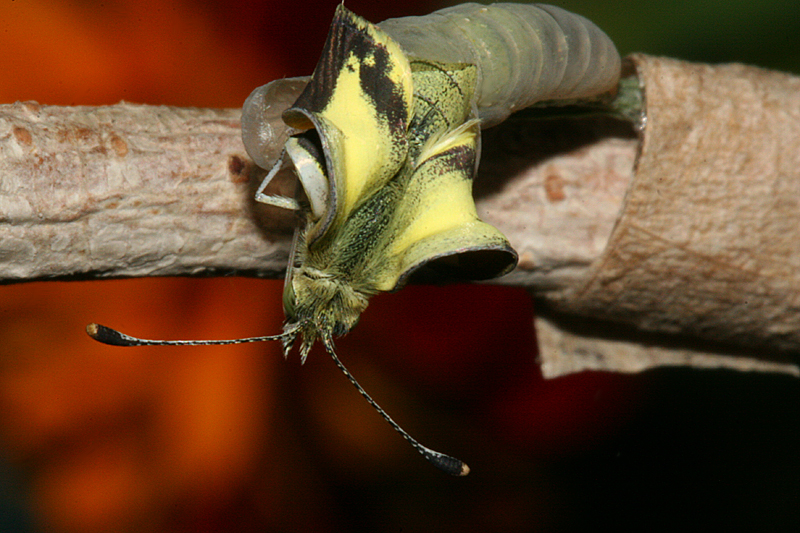
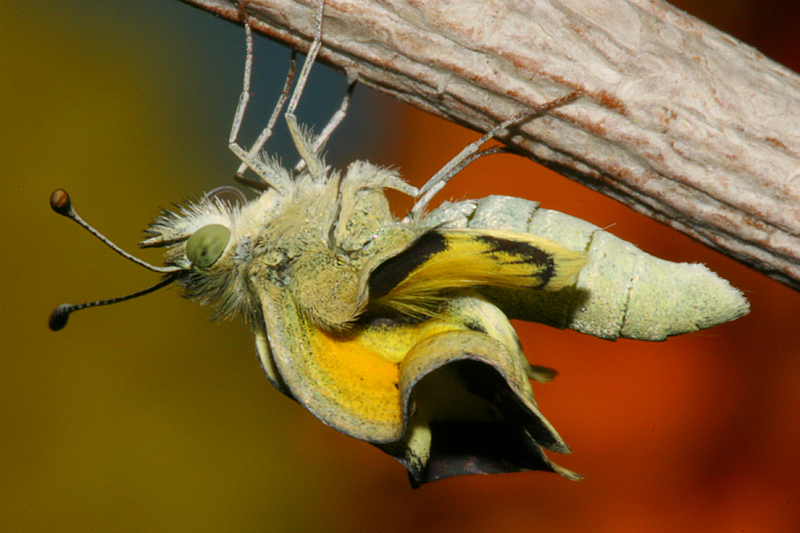
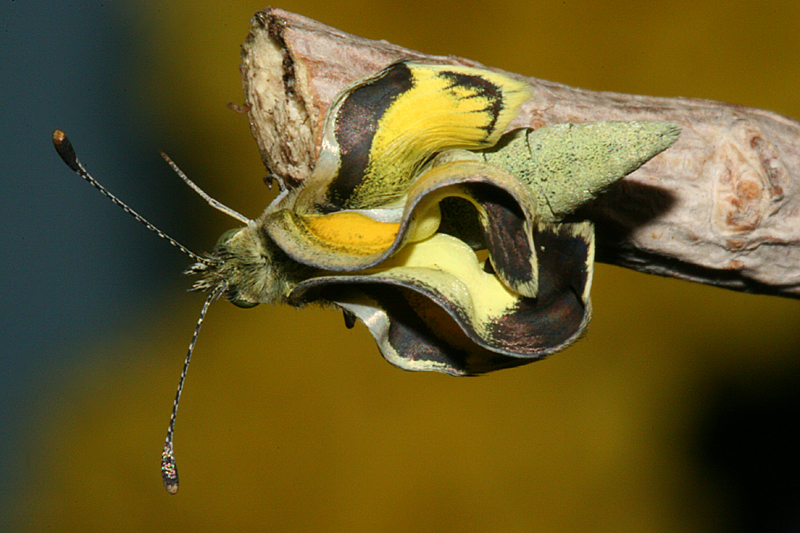
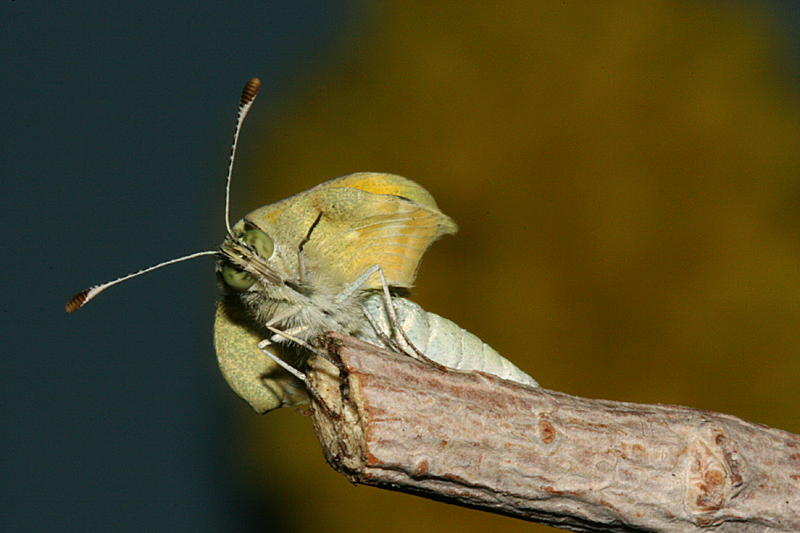
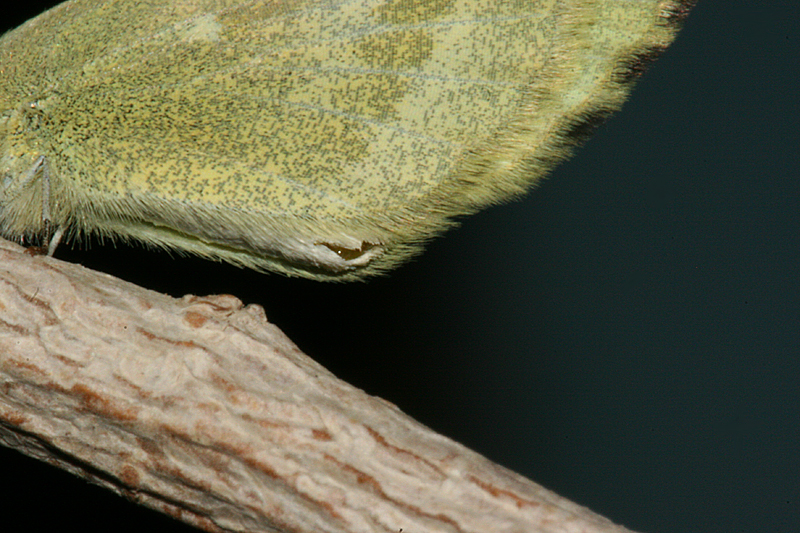
Dainty Sulphur - Nathalis iole - Female #8 Emerging

Home  -  Butterflies    -    Swallowtails    -    Whites and Sulphurs    -  Coppers, Hairstreaks, Blues & Metalmarks    -     Brushfoots     -     Skippers  
Photo & Other  Details      Characteristics & Utah Range Map

Scroll down for all photos of  Female #8 emerging.  For other photos and information, click on

FEMALE # 2 EMERGING  
    
MALE EMERGING       LARVAE        PUPAE          SPECIMEN

___________________________________________________________________________________________________________________________________________________________________________________
___________________________________________________________________________________________________________________________________________________________________________________

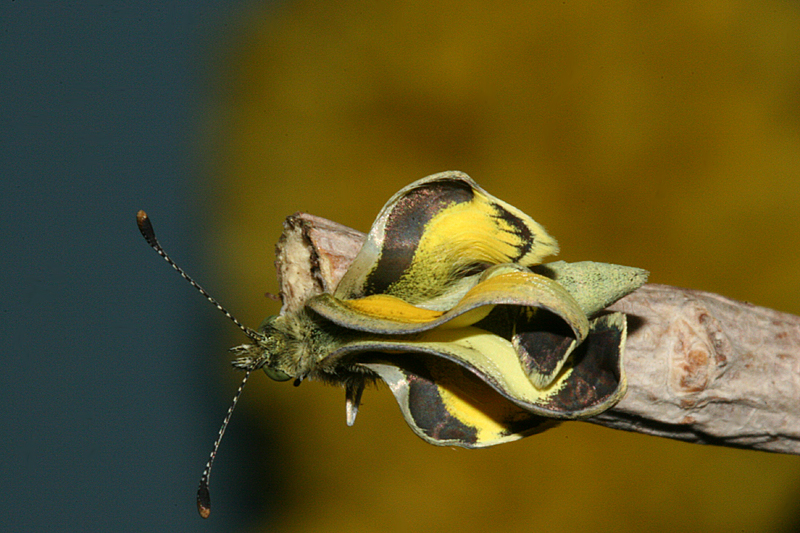
#8 Female emerging
emerging

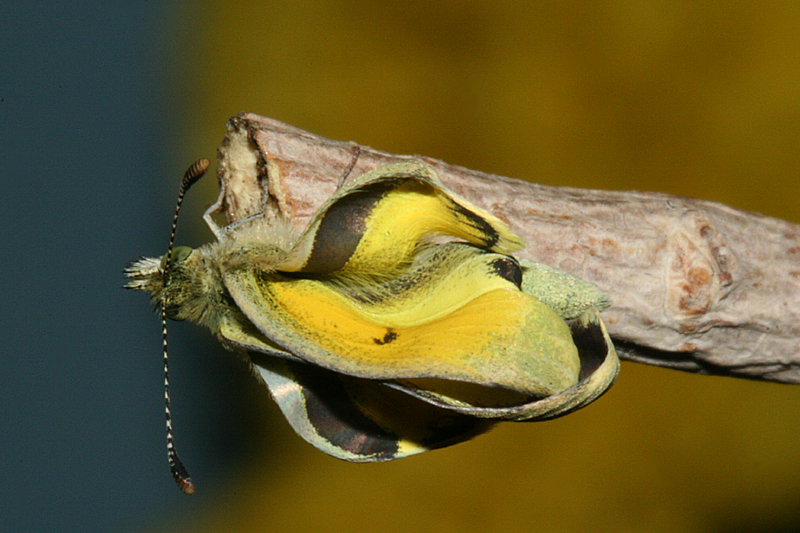
Inflating Wings
emerging

Inflating Wings
inflating wings

Inflating Wings
inflating wings

Inflating Wings
inflating wings

Inflating Wings
inflating wings

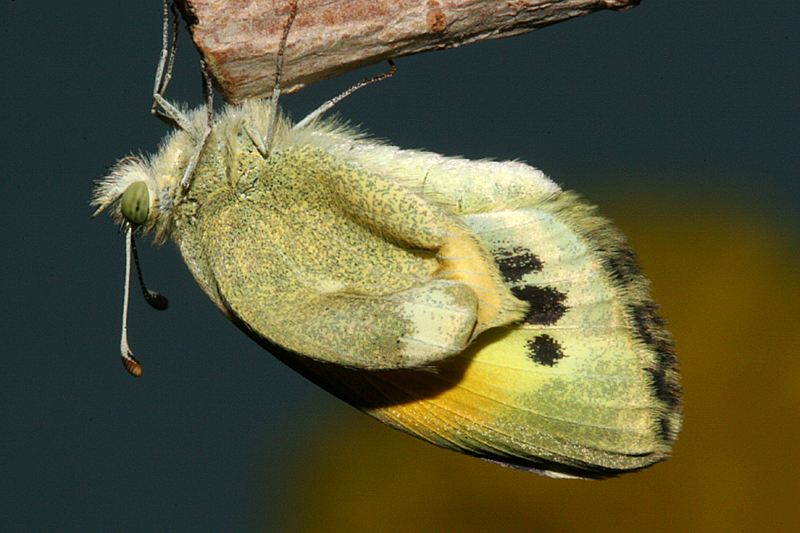
Inflating Wings
inflating wings

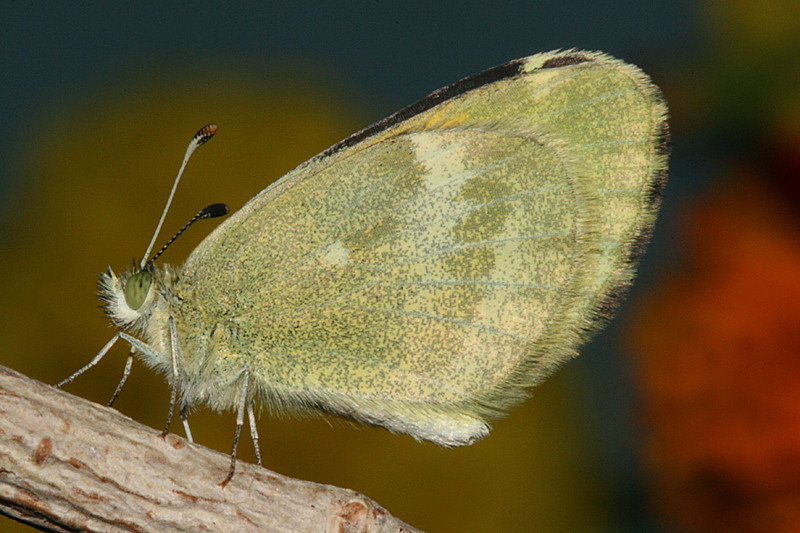
Drying Wings
drying wings

Close-up of abdomen tip
tip of abdomen

Photo and other Details - ©Nicky Davis
Todd Stout located female on 14 September 2010 by the Verde River, Cottonwood City, Yavapai County, Arizona, elevation of 3300 feet

Ova
4 days
The female oviposited on host plant, Thymophylla pentachaeta/Dyssodia pentachaeta - Fetid Marigold/ Five-needle Prickly-leaf, and on the screen of the container which was set under the dappled sunlight of an Aspen

Larva
19-22 days

Pupa
7 days - One pupa was formed on a flower stem and one on a calyx.  I put  recycled brown paper towel strips on some flowers and some of the larvae used  them as the surface to form pupae.


Host - click below for photos
Fetid Marigold/Five-needle Prickly-leaf - Thymophylla pentachaeta/ Dyssodia pentachaeta

Other host plants listed in Butterflies of America by  James A. Scott are Dyssodia papposa, Bidens pilosa, Helenium autumnale, bigelovii, Cosmas, Palafoxia linearis, Tagetes, Thelesperma trifidum, megapotamicum.

Garden variety marigolds were used to feed these larvae.  They ate both leaves and flowers.  One pupa was formed on a flower stem and one on the calyx.  I put  recycled brown paper towel strips on some flowers and some of the larvae used  it as the surface to form pupae.


Back to Top